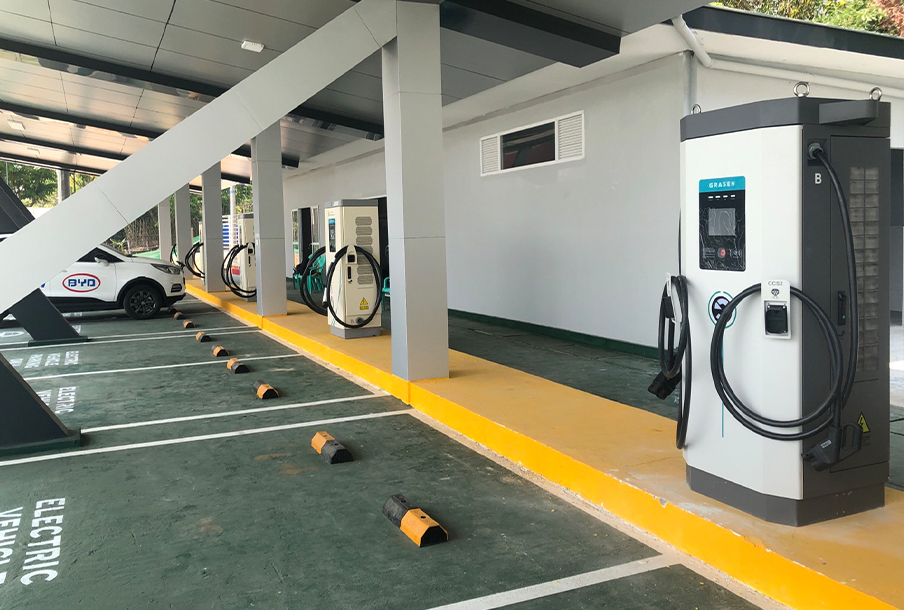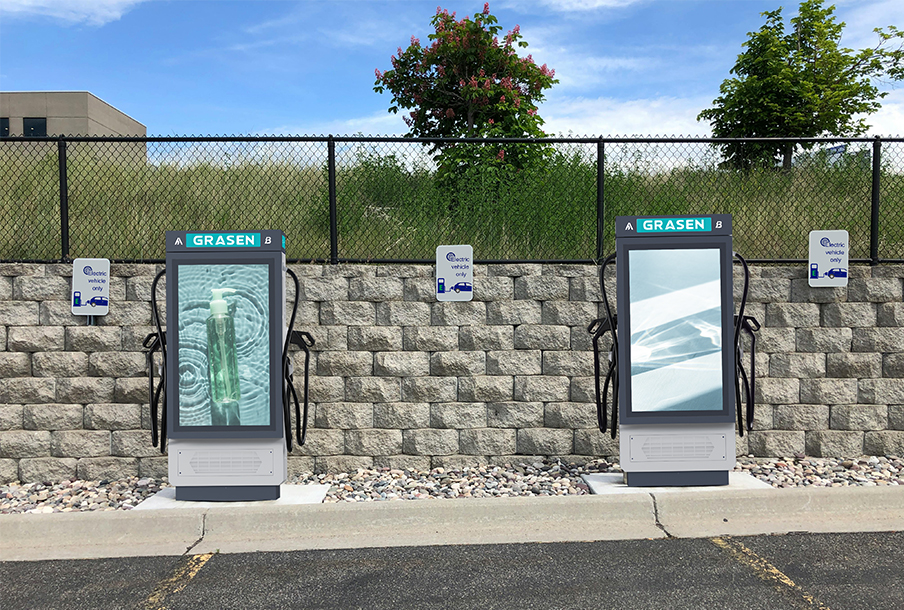



The Shift: From "Land Grab" to "Efficiency First"
Let’s be honest: the era of easy money in EV charging is over. In 2026, as the market matures and subsidies vanish, the game has shifted from how many plugs you can get in the ground to how well they actually perform. Today’s winners aren't those with the largest footprint; they are the operators whose equipment runs flawlessly while keeping overhead bone-dry. Many investors still fall into the "initial price tag" trap, ignoring the Total Cost of Ownership (TCO). In this business, every dollar saved by cutting corners on quality upfront is usually paid back—with interest—through expensive labor, frequent part replacements, and the silent killer: lost revenue from downtime.
1. Cable Quality: Your First (and Most Frequent) Point of Failure
The charging cable is the only part of your multi-thousand-dollar investment that your customer actually touches. It’s also the component with the highest failure rate. Cheap cables are notorious for using inferior rubber that turns rock-hard in winter and cracks under the summer sun. Once that outer jacket fails or the internal copper snaps, you're looking at insulation alarms or, worse, safety hazards. In 2026, premium DC chargers should feature lightweight, high-flexibility cables—or liquid-cooling for ultra-fast sites. Investing in "over-engineered" cables isn't a luxury; it’s a strategy to keep your station effortless to use and free from constant replacement costs.
2. Modular Architecture: Why "Hot-Swapping" is a Game Changer
The power module is the "heart" of your station. Over a 10-year service life, a module failure isn't a possibility—it’s a statistical certainty. The real question is: How much will it cost you to fix? Older, integrated designs are a maintenance nightmare, often requiring a specialized engineer to dismantle the entire unit, leading to weeks of "Out of Service" signs. Modern equipment utilizes "hot-swappable" modular architecture. This allows your field team to swap a faulty module in minutes, as easily as replacing a server blade. It slashes labor costs and ensures your station keeps earning revenue even during a partial repair.
3. Protection Ratings: Dust is the Silent Profit-Killer
Environmental factors like dust, salt spray, and humidity are the natural enemies of high-power electronics. If a charger’s cooling logic is poorly designed, it will eventually suck debris into the sensitive circuit boards, leading to catastrophic short circuits. In 2026, especially as power densities climb, cooling air must be physically isolated from the electronics—a design known as an "independent air duct." While products with high IP ratings (IP55+) and patented cooling paths might carry a premium, they eliminate the need for frequent internal cleanings and can extend your hardware's lifespan to over a decade.
4. Software Compatibility: Future-Proofing Against "Protocol Obsolescence"
Software compatibility is a silent cost that hits you when it's too late. With 2026’s tightening regulations on data compliance (like the EU’s AFIR) and Vehicle-to-Grid (V2G) readiness, "basic" chargers are at high risk of becoming expensive paperweights. If your hardware can’t seamlessly talk to third-party Management Systems (CSMS), you’ll find yourself trapped with limited firmware updates or unable to implement dynamic pricing. Ensuring native support for OCPP 2.0.1 or higher is your insurance policy. It guarantees your hardware can evolve with the law, rather than being replaced by it.
5. Service Logistics: A Warranty is Only as Fast as the Spare Parts
Finally, a manufacturer’s "reverse logistics" capability is the ultimate test of their reliability. In 2026, a warranty card is just a piece of paper if you’re waiting weeks for a $50 fan to ship across an ocean. For international projects, you need a partner with a mature spare parts network and local warehousing. A reliable manufacturer doesn't just sell you a machine; they provide a 48-hour "parts-to-site" promise. This level of logistical precision is the strongest protection for your ROI and the core asset in building long-term trust with your customers.